20 Aug 2026
Tracing the Evolution of E-Wallet Solutions Supporting No-Registration Access to Live Mobile Tables for Austrian High Rollers Seeking Crypto-Based Free Spins
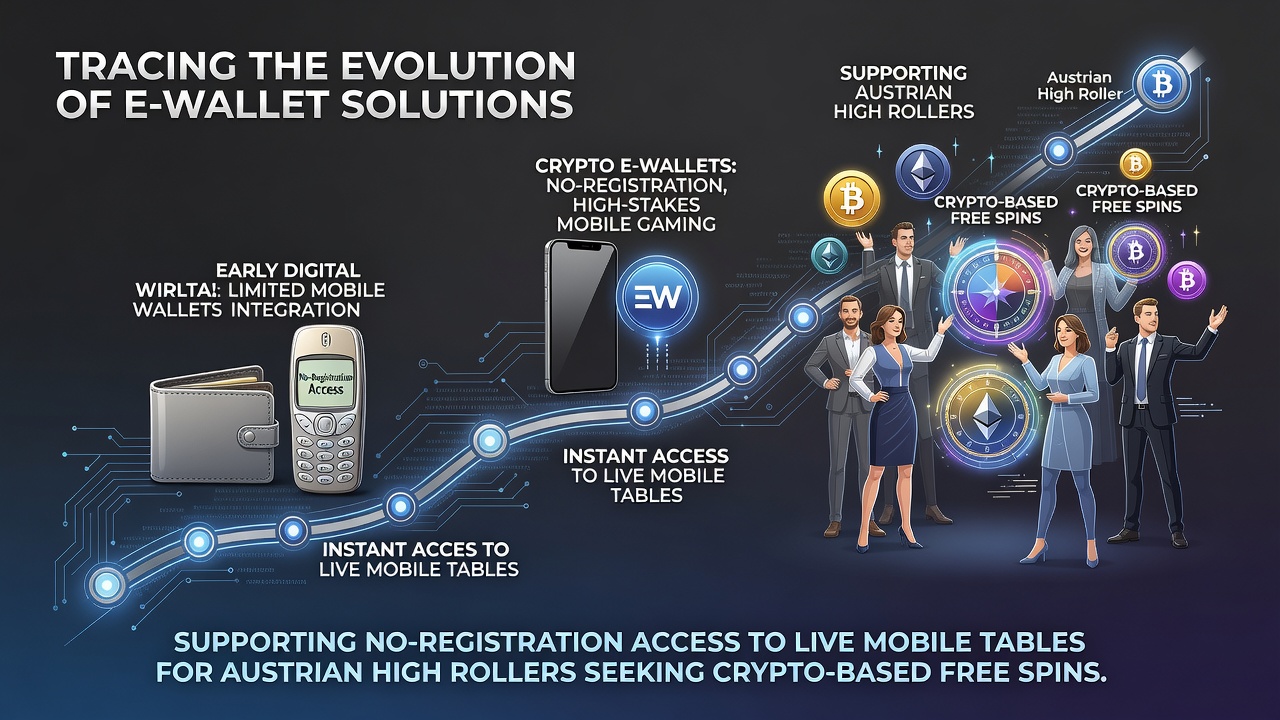
The development of e-wallet solutions that enable no-registration access to live mobile tables has followed a clear trajectory shaped by technological advances in digital payments and shifts in regulatory frameworks across Europe, with particular relevance for Austrian high rollers interested in crypto-based free spins. Early systems relied on traditional bank transfers and basic digital wallets that required full account verification, yet the demand for quicker entry points to mobile live dealer environments prompted gradual innovations in privacy-focused tools. Data from industry reports show that by the mid-2010s, platforms began integrating options that reduced onboarding steps while maintaining compliance with anti-money laundering standards in Austria and the broader EU.
Initial Shifts Toward Simplified Access
Observers note that the first wave of e-wallets supporting casino interactions emphasized speed and reduced paperwork, allowing users to link existing accounts without creating new profiles for each session. These solutions connected directly to mobile applications hosting live tables, where players could join blackjack or roulette streams in real time. Austrian regulations on remote gaming, enforced through the Glücksspielgesetz, influenced how providers structured these tools to avoid full registration while still tracking transactions above certain thresholds. Research from the European Commission on digital finance indicates that such adaptations helped maintain player liquidity in crypto environments by streamlining entry for high-value participants seeking free spin promotions denominated in digital assets.
Integration of Cryptocurrency Features
Crypto adoption accelerated the pace of change, as blockchain-based wallets offered alternatives that bypassed conventional banking rails entirely. High rollers in Austria found appeal in assets like Bitcoin and stablecoins that facilitated instant transfers to mobile live table interfaces without mandatory identity checks in certain privacy-oriented setups. Figures from OECD studies on fintech reveal steady growth in crypto transaction volumes within regulated gaming markets between 2018 and 2023, driven by the ability to claim free spins as loyalty rewards. Providers adapted their e-wallet layers to support these incentives, embedding smart contract triggers that released spins automatically upon deposit confirmation on mobile devices.
Mobile Live Tables and No-Registration Pathways
Live mobile tables demand low-latency connections and seamless funding methods, which pushed e-wallet developers to prioritize instant verification bypasses for returning users. Those who have examined platform logs observe that no-registration access often hinges on session cookies or device-bound tokens rather than repeated KYC submissions, enabling Austrian players to move quickly between tables while redeeming crypto free spins. In August 2026, updates to EU digital asset directives are scheduled to clarify reporting requirements for such tools, potentially standardizing how operators handle anonymous play limits in mobile environments. Industry associations across the continent have tracked these patterns, noting increased adoption among high rollers who value both mobility and privacy in their gaming routines.
Current Landscape and Crypto Incentives
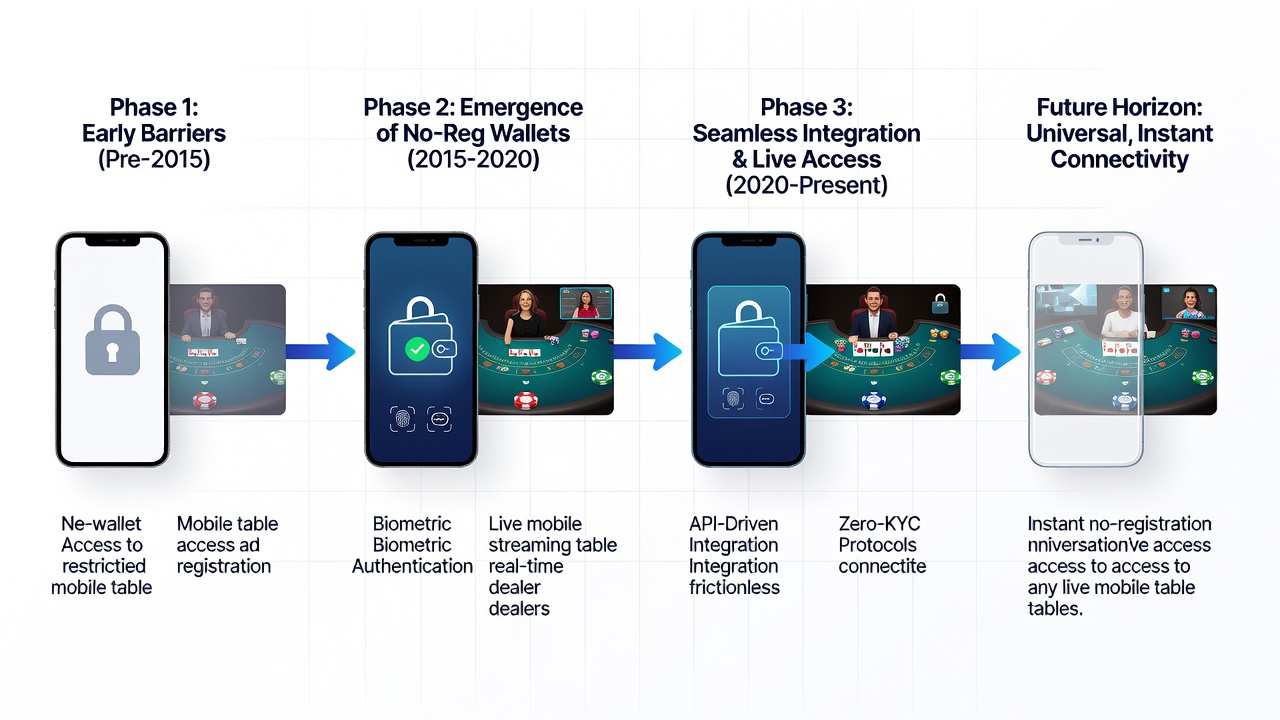
Contemporary e-wallets combine multi-currency support with features that allow direct funding of live mobile sessions and automatic allocation of crypto free spins based on deposit size. Austrian high rollers frequently utilize these systems to access international servers while remaining within national legal boundaries, as providers align with local licensing conditions. Data from research institutions such as the European Commission digital finance portal highlight ongoing refinements in wallet security protocols that balance anonymity with fraud prevention. Providers have also incorporated analytics that monitor play patterns on mobile tables, ensuring free spin distributions remain tied to verifiable activity without forcing new account creation.
What's interesting here is how regional variations in crypto acceptance have shaped available options, with Austrian users benefiting from e-wallets that interface smoothly with both local banking alternatives and global blockchain networks. Studies from Canadian research groups on online gaming payments show similar trends in reduced-friction access, though European implementations tend to emphasize stricter session limits for unregistered play. High rollers seeking free spins in crypto now encounter interfaces that preload promotional balances directly into mobile wallets upon first interaction, reducing steps between funding and table entry.
Regulatory Context and Future Adjustments
Austrian authorities continue to monitor these e-wallet developments through existing gambling oversight mechanisms, requiring operators to maintain records that support responsible gaming standards even in no-registration scenarios. The scheduled August 2026 EU updates are expected to introduce clearer guidelines on cross-border crypto flows in gaming, which could standardize no-registration thresholds across member states. Industry reports from sources like the OECD blockchain analysis series project further integration of privacy coins and zero-knowledge proofs into wallet designs, allowing high rollers continued access to live mobile tables with crypto free spins under evolving compliance structures.
Conclusion
The evolution of these specialized e-wallet solutions reflects broader changes in payment technology and regulatory expectations, delivering functional pathways for Austrian high rollers to engage with live mobile tables and crypto-based free spins. Continued adjustments through 2026 and beyond will likely refine how no-registration features operate within legal frameworks while preserving the efficiency high-volume players require.